

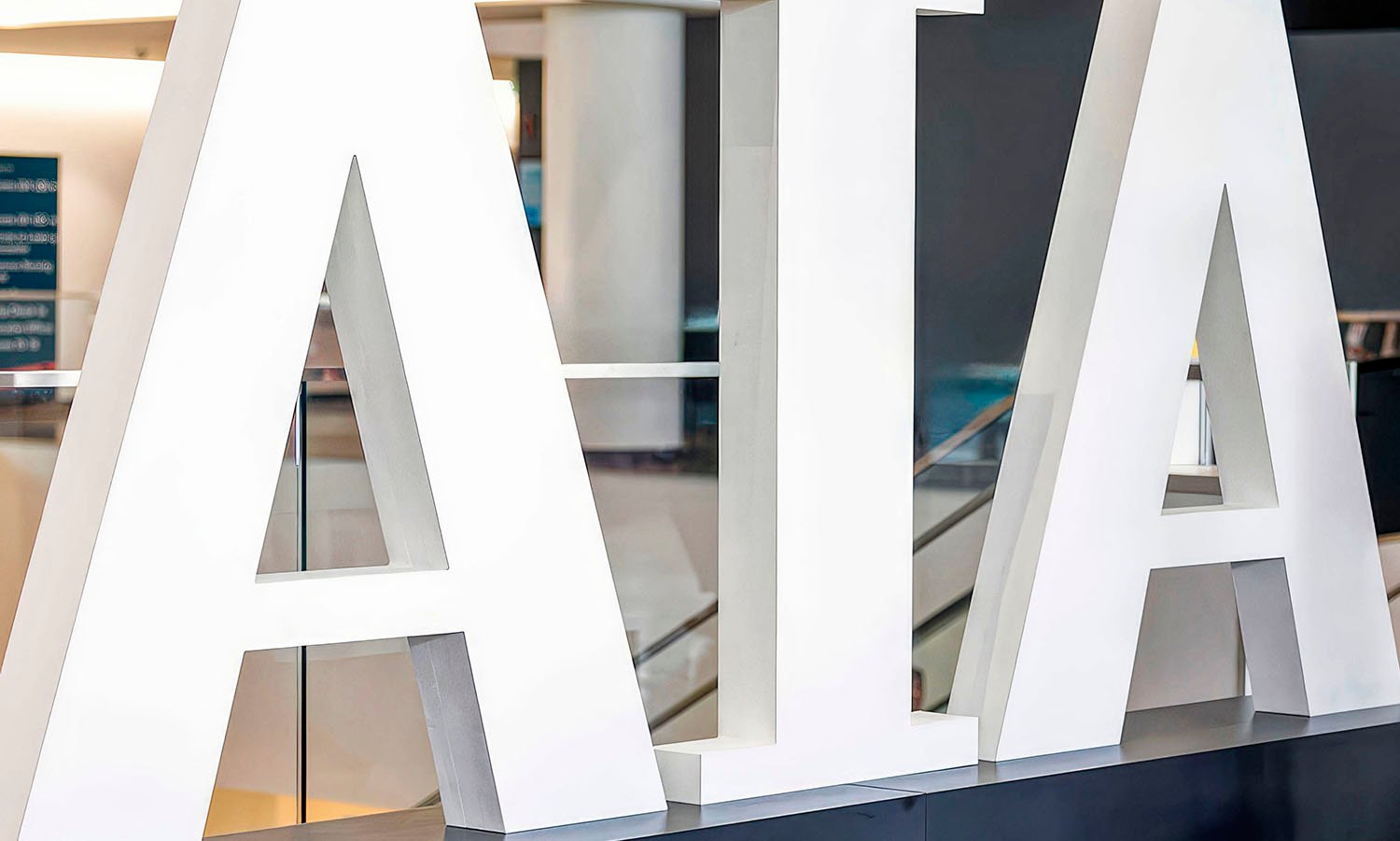
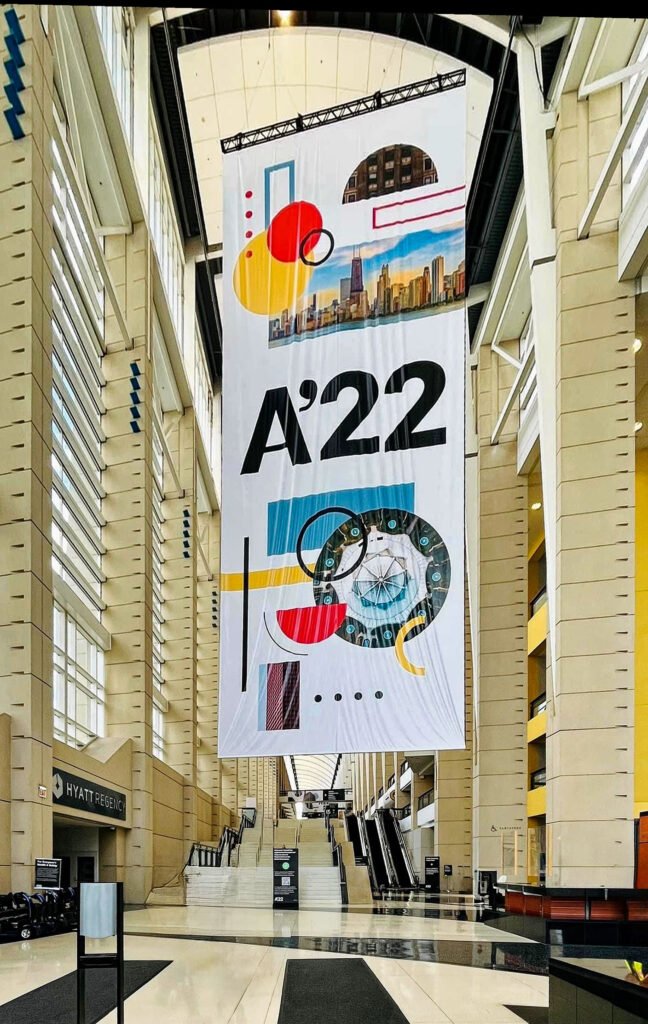
The 2025 AIA Conference on Architecture, held in Boston from June 5–7, drew thousands of architects, designers, and industry leaders from across the globe. With the city’s rich design legacy as a backdrop, the event served as a launchpad for urgent conversations about where our industry is headed—and how we’re going to get there.
Here are five key insights from this year’s event, reflecting the shifting priorities and emerging solutions reshaping architectural practice in real time:
1. Technology Is No Longer the Future—It’s the Framework
A palpable energy surrounded the tech exhibits this year, and for good reason. Innovations like AI-powered drafting, real-time specification tools, and predictive design analytics are now shaping decisions at every stage of development.
But perhaps more striking was the way these tools are being integrated into daily workflows—not as “want to have” extras, but as necessities. Besides transcribing meetings, AI isn’t just drafting—it’s estimating material costs, flagging compliance issues, and suggesting energy-saving alternatives. VR/AR presentations are no longer niche; they’re how stakeholders expect to understand spatial intent.
And critically, there’s a growing call for digital ecosystems that allow everything to speak the same language—removing compatibility bottlenecks and creating a continuous feedback loop from sketch to site.
2. Integrated Workflows Are Now a Requirement, Not a Luxury
One of the most resounding themes at the conference was the urgent need for truly unified workflows. As firms continue to scale across time zones and project types, the friction of moving between platforms—especially when coordinating architects, builders, and clients—has become unsustainable.
Pain points like document type conversions, reconciling markups across tools, or managing version control between design and construction teams were frequently cited. Attendees expressed a clear demand for holistic platforms that allow seamless collaboration without requiring teams to juggle disconnected systems. The future of architectural productivity lies in systems that bridge these gaps and allow stakeholders to work as one.
3. The New Standard: Design Systems that Anticipate, Not Just React
A quiet revolution is underway: architecture is shifting from reactive design to anticipatory systems thinking. That means integrating design logic with manufacturing data, cost intelligence, and even market analytics—before the first drawing is finalized.
Tools that automate early-phase feasibility checks, support modular flexibility, and enable downstream coordination are becoming invaluable. Rather than waiting for construction teams to flag issues, forward-thinking architects are building platforms that preempt them. This evolution isn’t just about efficiency—it’s about unlocking greater creativity within tighter constraints.
4. Sustainability Is Becoming Structural, Not Stylistic
Gone are the days when sustainability was an optional layer to be added at the end of the design process. At this year’s show, it became evident that environmental responsibility is now considered structural—embedded in the bones of how we approach planning, materials, and execution.
From regenerative design strategies to carbon-storing building materials and modular systems optimized for reusability, today’s leading firms are incorporating circular economy principles and climate resilience from day one. Architects aren’t just responding to client preferences—they’re redefining their role as stewards of the built environment in a changing world.
5. Boston Proved One Thing: Architects Want to Build Smarter, Together
This year’s AIA Conference wasn’t just a trade show—it was a pulse check. And the message was loud and clear: architects are hungry for tools and systems that foster smarter collaboration and empower design at scale.
The firms generating the most buzz weren’t necessarily the biggest—they were the ones showing how to simplify without dumbing down, how to connect without complexity, and how to amplify human creativity with digital intelligence.
As one panelist put it, “The future of architecture isn’t about choosing between design and delivery. It’s about merging them.”
Final Thought:
If Boston was any indication, the architectural profession is not waiting passively for change—it’s actively seeking it. And the firms that rise to the challenge will be those who build systems that are not only beautiful and functional, but also deeply collaborative and infinitely adaptable.









































































It is exciting to see both small and large firms projecting a unified vision.